
When Healing Begins: Creating Space for Your Story
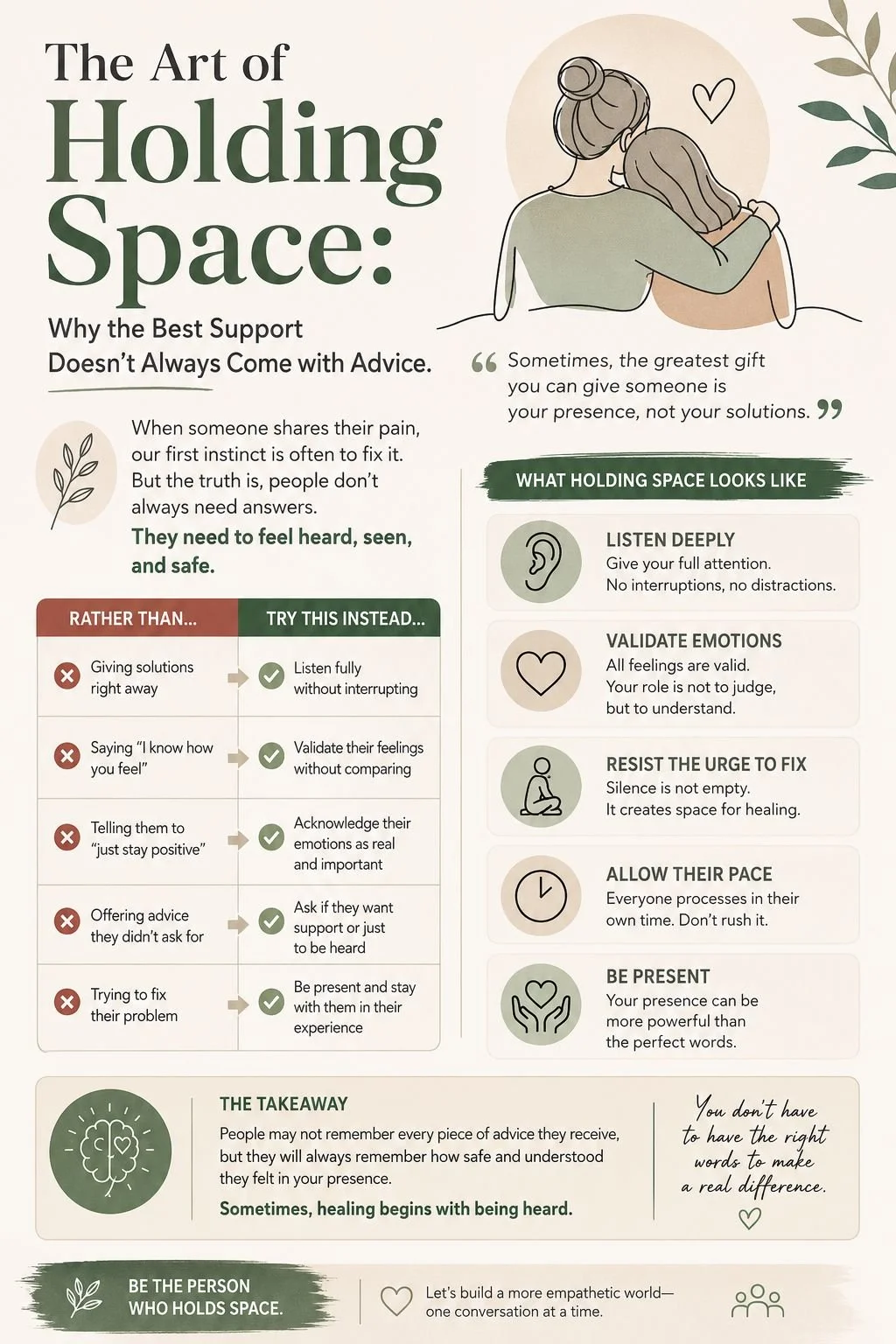
Healing rarely begins with having all the answers. More often it begins with a quiet moment of honesty — the realization that something feels heavy, confusing, or unfinished. It might show up as anxiety, sadness, burnout, grief, a relationship that hurts, a spiritual question, or simply the sense that you’ve been carrying too much for too long.
Therapy offers a space where you don’t have to carry that alone.
Many people arrive wondering whether their struggles are “serious enough,” whether they’ll be understood, or whether change is really possible. These are deeply human questions. Reaching for support isn’t a sign of weakness — it’s an act of courage and self-respect.
A Place to Be Heard
Most of us learn to keep going even when we’re overwhelmed. We get good at appearing composed while privately feeling anxious or exhausted. Sometimes we minimize our pain because others have had it worse; sometimes we stay quiet because we fear being judged or dismissed.
Therapy creates a different kind of space — a place where your experiences can be spoken aloud with honesty and care, and where you can begin to understand not only what has happened to you, but how it has shaped the way you see yourself and the world. Being heard deeply is itself part of healing. When pain is met with compassion rather than judgment, something softens, and the parts of us that have been hidden or wounded can slowly begin to feel safe again.
Healing Isn’t About Becoming Someone Else
One common misunderstanding is that therapy is about “fixing” a person. But people aren’t problems to be fixed. We are human beings with histories, relationships, hopes, wounds, and hard-won ways of surviving.
Therapy isn’t about erasing who you are. It’s about helping you understand yourself more clearly, relate to yourself more kindly, and move toward the life you want to live. For one person that might mean learning to work with anxiety; for another, grieving a loss that was never fully processed, rebuilding boundaries, recovering from trauma, or reconnecting with meaning. For some it includes exploring questions of faith, identity, and belonging. There’s no single path that fits everyone — your healing deserves to be as personal as your story.
Small Shifts, Lasting Change
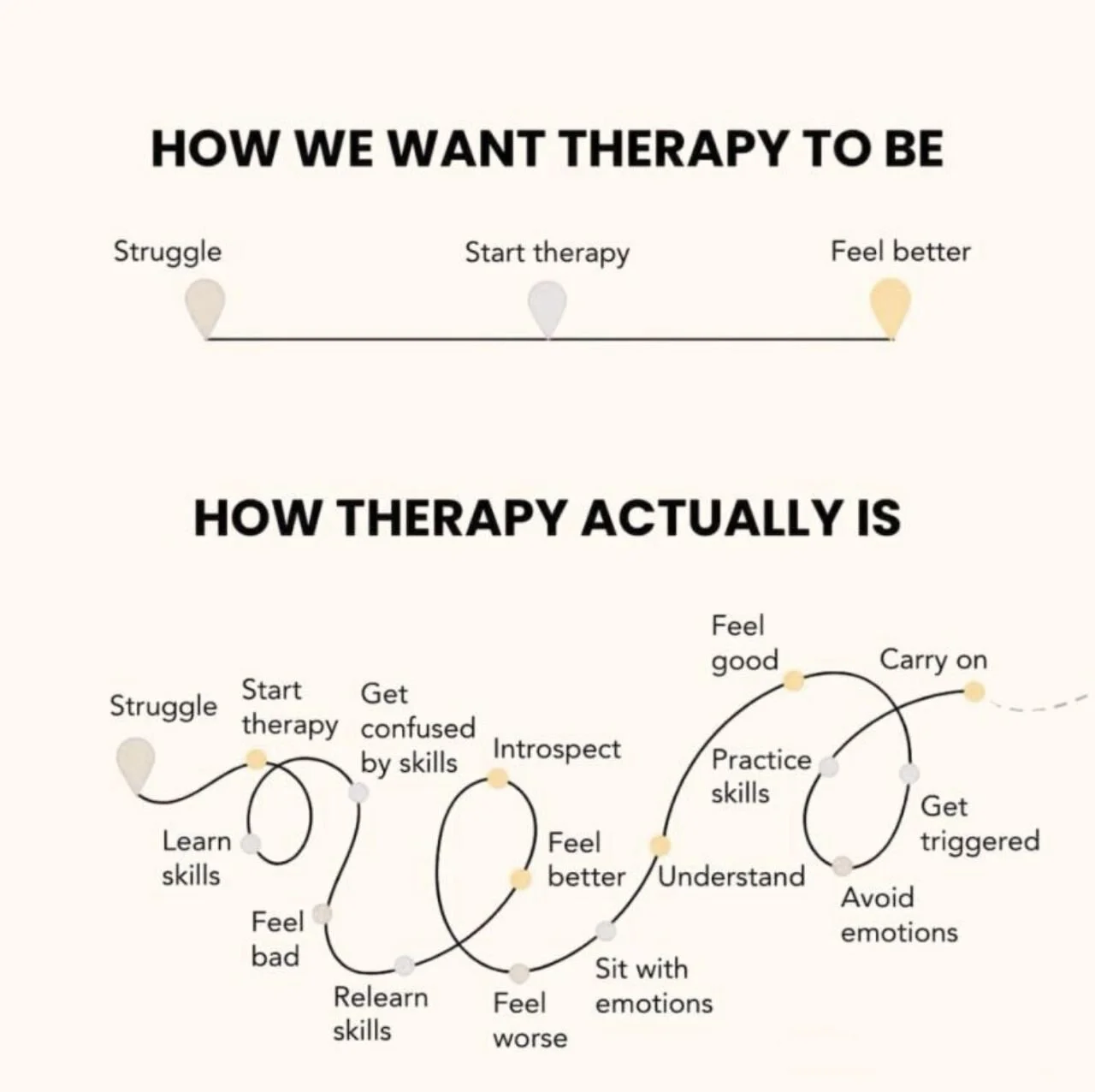
Meaningful change often starts with simple but powerful shifts: learning to notice your thoughts rather than be ruled by them, seeing how past experiences shape present reactions, practicing self-compassion in place of self-criticism, and choosing actions that fit your values even when life feels hard.
These ideas sound modest, but practiced consistently they add up. Therapy helps turn insight into something you can actually use day to day, while still making room for deeper emotional healing. The goal isn’t perfection — it’s growth, resilience, and a more honest relationship with yourself.
Therapy That Honours the Whole Person
You bring more than symptoms into the room. You bring your culture, family history, relationships, faith or spirituality, identity, body, emotions, and lived experience. Good therapy honours all of it.
An integrative approach can draw on a range of evidence-based methods — cognitive and acceptance-based therapies, Internal Family Systems, trauma-informed and somatic work, and spiritually integrated psychotherapy when that’s meaningful to you — chosen to fit the person in front of me rather than applied from a template. That means therapy can be both practical and reflective: building real coping skills while also making space for grief, meaning, hope, and change.
You Are Allowed to Begin Again
Many people wait until life becomes unbearable before reaching out. But therapy isn’t only for crisis. It can also be a space for clarity, growth, and self-discovery before everything falls apart.
You are allowed to seek support early. You are allowed to want more peace. You are allowed to heal at your own pace. You are allowed to begin again. Starting therapy doesn’t mean you’ve failed — it means you’re choosing to pay attention to your inner life and to let yourself be supported.
Begin Your Healing Journey
Healing isn’t always quick or easy, but it is possible. With the right support, people learn to live with more freedom, self-understanding, and hope. Wherever you are — overwhelmed, grieving, questioning, rebuilding, or simply longing for something to change — therapy can offer a compassionate place to begin.
Your story deserves care. Your pain deserves attention. Your healing deserves space.
If you’d like to take a first step, you’re welcome to reach out to book a confidential consultation — there’s no pressure, just a conversation about what you’re looking for.
